

Rank Higher
, Convert Better & Grow Faster
Razor Rank delivers powerful digital marketing backed by proven performance data. Let us cut through the noise to deliver results you can see.
SoccerPro.com sells the same cleats and jerseys as Nike, Adidas, and Dick’s Sporting Goods, but they were competing for the same searches on a fraction of the major brands’ budgets. When the company came to Razor Rank, sessions were down 31% year over year and still falling. A deep technical audit found several causes scattered across the site: subdomains splitting the site’s authority, category pages built without keyword targets, a checkout process that was losing users who had already decided to purchase, and an inbound link profile doing more harm than good. Razor Rank built a roadmap to work through the issues, and within twelve months, monthly revenue was up 74% year over year.
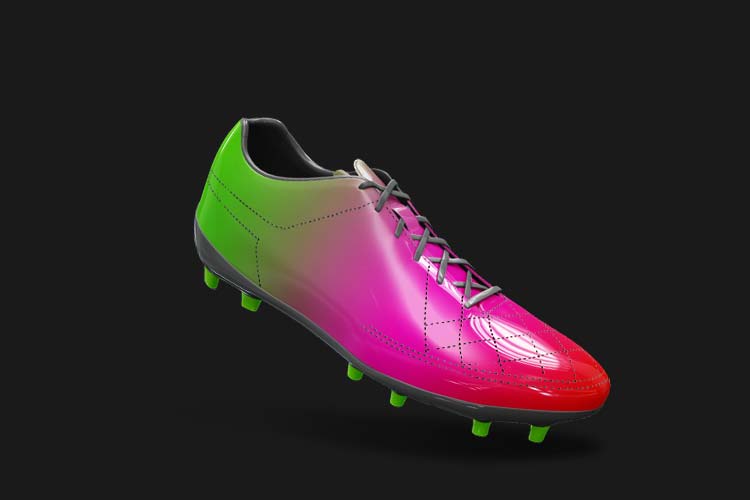
SoccerPro is an online soccer specialty retailer founded in 2004 in Columbia, MO. The brand sells cleats, licensed club jerseys, apparel, balls, and goalkeeper equipment to players, coaches, and fans nationwide. They compete directly with national sporting goods chains and with the manufacturers whose products it carries.
Ecommerce (Sporting Goods)
Monthly revenue rose 74% year over year due to Razor Rank’s comprehensive ecommerce marketing strategy. Every product category was researched and reorganized around new keyword targets. Subdomain issues that had been dividing the site’s search equity were identified and consolidated, with our team and the client working through the most cost-effective fix together. Internal link mapping pushed authority toward the pages carrying the most revenue. The checkout was rebuilt around the points in the buyer journey that were causing the most loss. Each implementation made an impact on its own, but together they turned around a site that had been losing ground for a year.
Our content audits showed us plenty of content on the SoccerPro website, but no strategy holding it together. Multiple pages competed against one another for the same searches, and category pages had been built without specific keyword targets in mind. Keyword and competitor research gave us a map of terms that the site should own, and we reorganized category pages to fit the map. The client’s internal team was already stretched thin on other initiatives, so we saved them time by writing content ourselves and kept the project moving.
While our SEO work attracted more site visitors and conversion-ready users, we implemented a conversion rate optimization strategy to make sure the revenue matched the rising interest. We audited SoccerPro’s checkout process and found steps that were costing the client customers who had already decided to buy. Rebuilding checkout into a frictionless flow increased ecommerce conversions 75%, which caused the value of each visitor to rise dramatically.
We got to work on priority keywords for the highest-value products first, predicting that improving the pages that mattered most would also benefit the rest of the catalog. Our prediction was correct: After keyword research and a reorganized strategy, our team rewrote the category pages, optimized product pages, and kept iterating. Within twelve months, 272 keywords were ranking on page one of Google, many of them ranking above tough-to-beat national brands like Nike and Adidas, which SoccerPro competes against on the same products.
Page-one rankings earn clicks, but in the era before AI Overviews existed, answer boxes above the traditional results were huge for brand awareness. We targeted featured snippets across a wide range of soccer search terms and won a significant number, putting SoccerPro’s content above the standard results for those queries and driving traffic and sales across multiple categories.
We started our engagement with a comprehensive technical audit that surfaced problems we couldn’t fix with improved content alone. Subdomains were dividing the site’s accumulated search equity across properties that should have been working together, and the client’s ecommerce platform was creating issues that the SoccerPro team was forced to work around. We walked the client through the options and chose a subdomain consolidation path that recovered the most equity for the least amount of effort. Internal link mapping helped us directed the recovered authority toward the product and category pages that earned the most revenue.
"*" indicates required fields

